
The pull came before the map
On the rare feeling of being drawn into a long inquiry before you can explain it — and the body in nature that lives inside the questions.

It is late, and you are reading about something you have no use for.
Not for work. Not for anyone. You came across it — an idea, a practice, a question someone left deliberately open — and instead of closing the tab you leaned in. An hour went somewhere. You could not have told anyone what you were looking for, only that something in you turned toward it the way a plant turns, without deciding to. And underneath the interest, quieter, there was a second thing: a kind of restlessness. A sense that you were not merely curious about this. You were being pulled toward it. That if you followed it, it would take a long time, and cost something, and you would go anyway.
That feeling is rarer than it should be, and you are right not to trust the voice that calls it indulgent.
There is a word, in the study of birds, for the restlessness that comes over a migrant when the season turns: zugunruhe. Migratory unrest. Even a bird in a cage, who has never flown anywhere and has nowhere to go, will feel it — will grow agitated as the nights lengthen, and flutter and press toward one particular wall, the wall that faces the direction it is built to fly. The pull arrives before the journey. It arrives before the bird could have any idea where it is going. The body simply knows the season has turned, and leans.
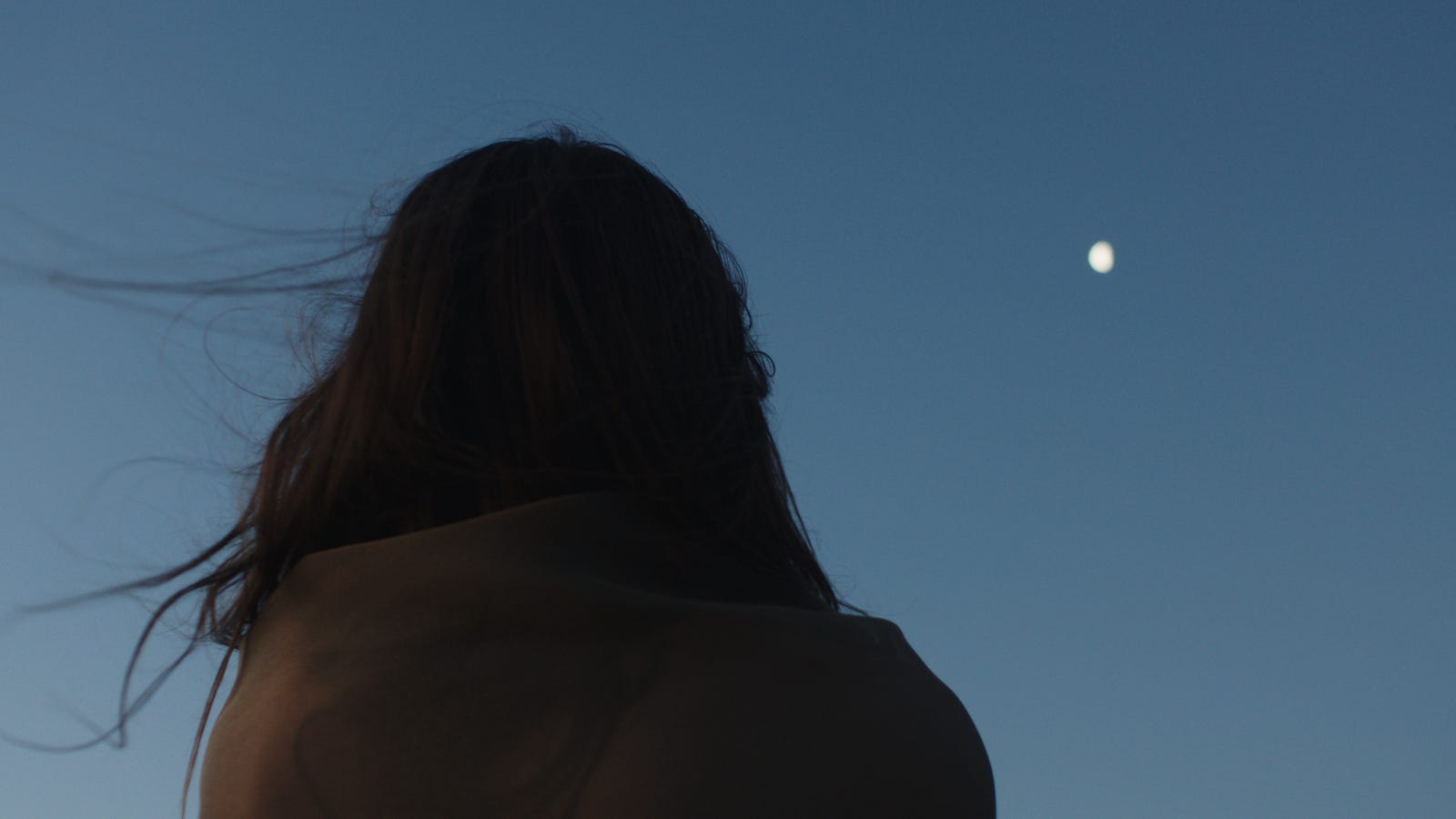
What you felt, reading late, was a version of that. Not a decision. A leaning. The season turning in you toward a question large enough to fly into.
You might guess that the body in nature that belongs to this work is the stars — and you would be close, but not quite right. The stars are not the body that experiences the questions. The stars are the questions: fixed, distant, bright, and unreachable. You do not arrive at a star. You steer by it. In the 1960s an ornithologist named Stephen Emlen put indigo buntings under a planetarium sky and slowly turned it, and found that the birds were reading the stars — orienting not by any single point but by the whole night sky wheeling around its one still centre, the way everything turns about the north. They navigate by what they cannot reach.
So the body inside the questions is not the stars. It is the small bird crossing the dark beneath them.
That is what this path is, if you follow it. A night migration. A long passage made in four movements — you lay the ground, you read what others have found, you go down into your own practice and watch what it does, and then you gather what you have and find it has not closed but opened — and at no point in it do you see the place you are going. You navigate by questions held at a height you cannot climb to. You correct, all night, against a sky you can read and never touch.
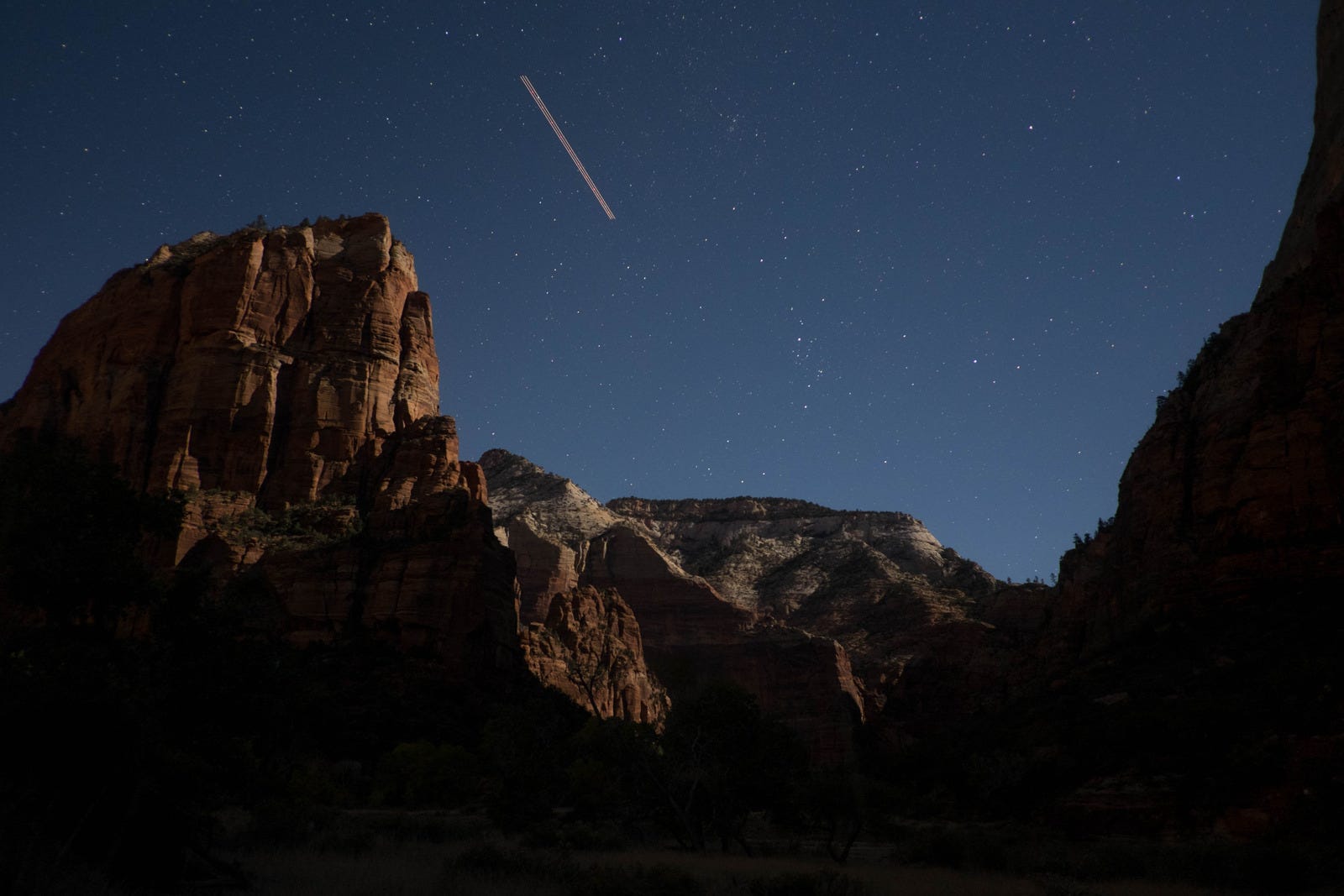
Most of the passage is dark. This is the part no one describes, because it does not photograph well and it does not resolve. You are aloft, between, with no floor under you and no shore in sight, doing the steady unspectacular work of staying oriented when nothing confirms you are right. The questions do not answer back. They only stay lit, and you keep them at the angle that means forward. To be inside the questions is to be in the air at night — pulled, oriented, unarrived — for far longer than feels reasonable, on the evidence of an urge you cannot fully justify and a few points of light you have decided to trust.
And here is why the feeling is rare, and why you should not let anyone persuade you the rareness is a flaw in you.
We have built almost everything to reward arrival and punish suspension. A task can be finished; a question cannot, and so we are taught early to convert every question into the nearest task and close it. The pull toward a thing you cannot yet justify — the long, unprofitable lean toward something still open — gets no permission and no name. It happens at night, privately, overhead, while the practical world sleeps; a whole sky of migration crosses above the cities every spring and almost no one looks up. You were trained to make things and meet deadlines. You were never formally given leave to be pulled — to follow a resonance past the point where it pays, into a year of questions that will not finish on schedule.
So when the pull comes, most people override it. It is the reasonable thing to do. The rareness you feel is not your private excess of feeling. It is the sound of a capacity that almost nothing in your life was built to hold.
I will not tell you it leads somewhere that makes the cost worth it, because that is not how it works. The migration does not end at an answer. It ends at a place to overwinter, which is only a place to feel the pull again. The last movement of this path is called Synthesis, and the honest thing about it is that it gathers everything the year produced and then opens — leaves you at a horizon that has moved exactly as far as you travelled toward it. You do not arrive. You learn to stay aloft. You become someone who can hold a question without needing to land on it — which is rare, and difficult, and most of what this kind of work has to teach.
It is late, and you are reading about something you have no use for, and there is a pull underneath the interest that you have been calling indulgent.
It is not indulgent. It is zugunruhe. The season has turned in you, and your body has leaned toward the one wall that faces where you are built to go. You do not have to know where that is. The bird doesn’t either. It only has to trust the pull, and the stars, and the long dark in between — and go.
That is the whole of it. Not a promise that you will arrive. An invitation to fly the questions while they are still lit.
Make Space is a 52-week year of creative health in four movements — Foundations, Literature, Investigation, Synthesis — published by Therapeutic Studio. If you’d like to see the whole arc at once, week by week, the series map lays it out.
Video description: The bare silhouette of a tree against a deep blue twilight sky. Its leafless branches spread into a dense, intricate web of dark lines, growing finer toward the edges of the frame.